English
 Español
  Português
  русский
  Français
  日本語
日本語  Deutsch
  tiếng Việt
  Italiano
  Nederlands
  ภาษาไทย
  Polski
  한국어
한국어  Svenska
  magyar
  Malay
Malay  বাংলা ভাষার
  Dansk
Dansk  Suomi
Suomi  हिन्दी
  Pilipino
  Türkçe
  Gaeilge
  العربية
  Indonesia
  Norsk
Norsk  تمل
تمل  český
český  ελληνικά
  український
  Javanese
  فارسی
فارسی  தமிழ்
தமிழ்  తెలుగు
  नेपाली
  Burmese
  български
  ລາວ
ລາວ  Latine
  Қазақша
  Euskal
  Azərbaycan
  Slovenský jazyk
  Македонски
  Lietuvos
  Eesti Keel
  Română
  Slovenski
  मराठी
मराठी  Srpski језик

Call Us
+86-020-32636908
Email Us
lcx@igreenchem.com

Why Is Mercaptan Based Polymer Becoming a Key Material in Modern Industrial Applications?
Mercaptan Based Polymer has become one of the most widely discussed specialty polymers across adhesives, coatings, sealants, and construction materials. Its fast-curing characteristics, strong bonding strength, and excellent chemical resistance make it extremely valuable in industries that require high-performance reactive systems. As I explore its multi-functional properties, I find that its stability, compatibility, and low temperature reactivity give manufacturers a competitive edge in both productivity and product quality.
To help users and professionals understand the technical advantages of this material, the following sections explain its functions, features, performance parameters, and industrial importance in a clear and structured way.

What Makes Mercaptan Based Polymer Unique in Its Chemical Behavior?
Mercaptan Based Polymer is engineered with reactive thiol (-SH) groups, enabling ultra-fast curing when combined with epoxy, acrylic, and polyurethane systems. These reactive ends help reduce curing time while strengthening the molecular network of the final material.
Key chemical advantages include:
-
Rapid room-temperature curing
-
Excellent adhesion to diverse substrates
-
High flexibility with controlled hardness
-
Low viscosity for easy formulation
-
Low odor and environmentally conscious composition
-
Outstanding chemical resistance
These chemical characteristics allow manufacturers like Guangzhou Green New Materials Co., Ltd. to create performance-oriented systems for demanding applications.
How Does Mercaptan Based Polymer Perform Across Different Industries?
Its performance benefits have expanded the use of this polymer into industrial manufacturing, building materials, electronics, transportation, and protective coatings.
Major performance characteristics:
-
Strong bonding strength with metals, plastics, ceramics, and composites
-
Fast curing reduces downtime and boosts efficiency
-
Stable mechanical properties under varying temperatures
-
Excellent compatibility with epoxy resins
-
Tailorable viscosity and hardness for diverse applications
-
Long service life due to chemical and moisture resistance
Why Do Manufacturers Prefer Mercaptan Based Polymer Over Alternative Curing Agents?
The speed-curing nature of Mercaptan Based Polymer is one of the main reasons manufacturers choose it over amine-based or anhydride-based curing systems. It significantly shortens manufacturing cycles and improves reliability in emergency repairs, electronic potting, fast adhesives, and structural reinforcement systems.
Additional advantages:
-
Reduced energy consumption due to room-temperature curing
-
Better appearance quality with low yellowing
-
Compatibility with fillers, pigments, and additives
-
Safe and easy handling due to stable composition
What Are the Technical Parameters of Mercaptan Based Polymer?
The following performance parameters provide a clear overview of the product's technical profile. Values may vary slightly depending on grade and formulation.
Main Technical Indicators
-
Appearance: Clear or light-colored liquid
-
Viscosity: 800–5000 mPa·s (25°C)
-
Mercaptan Content: 4–12%
-
Density: 1.00–1.10 g/cm³
-
Curing Speed: 1–10 minutes depending on system
-
Glass Transition Temperature: -50°C to -20°C
-
Shelf Life: 12–24 months
-
Compatibility: Excellent with epoxy resins and accelerators
Technical Parameter Table
| Parameter | Typical Value Range |
|---|---|
| Appearance | Transparent to light yellow |
| Viscosity (25°C) | 800–5000 mPa·s |
| Mercaptan Functionality | 2–4 |
| Density | 1.00–1.10 g/cm³ |
| Curing Temperature | Room temperature |
| Initial Cure Time | 1–10 minutes |
| Full Cure Time | 30–120 minutes |
| Storage Stability | 12–24 months |
These performance indicators demonstrate the versatility and stability of Mercaptan Based Polymer for industrial-grade production.
How Does Mercaptan Based Polymer Enhance Application Results?
1. Adhesive Systems
It provides strong initial bonding within minutes, enabling fast assembly operations in industries such as automotive and electronics.
2. Repair Materials
Its rapid curing allows emergency repairs on pipelines, joints, and structures, restoring functionality quickly.
3. Sealants and Coatings
The material performs exceptionally in chemical resistance and durability, protecting surfaces against moisture, corrosion, and mechanical wear.
4. Construction and Infrastructure
It is widely used in anchoring materials, concrete repair compounds, and structural adhesives due to its mechanical strength and reliability.
Why Is Mercaptan Based Polymer Important for Modern Manufacturing?
Modern industries increasingly require faster production cycles, more durable materials, and environmentally responsible solutions. Mercaptan Based Polymer directly meets these needs by:
-
Reducing curing time and energy use
-
Supporting low-VOC, eco-friendly formulations
-
Improving bonding reliability and product lifespan
-
Enhancing worker efficiency and reducing downtime
-
Providing flexibility in formulation and final product attributes
Its importance will continue to grow as industries shift toward smarter, faster, and more sustainable materials.
FAQ About Mercaptan Based Polymer
Q1: What is Mercaptan Based Polymer used for?
A1: It is used in adhesives, sealants, construction repair materials, fast-curing epoxy systems, electrical potting, and industrial bonding applications due to its rapid curing and strong adhesion.
Q2: Why does Mercaptan Based Polymer cure so quickly?
A2: The presence of reactive thiol groups enables immediate reaction with epoxy resins at room temperature, creating a rapid cross-linking process that significantly shortens curing time.
Q3: How do I choose the right grade of Mercaptan Based Polymer?
A3: Selection depends on viscosity needs, curing speed, hardness requirements, and application type. Manufacturers like Guangzhou Green New Materials Co., Ltd. provide customized grades for different industrial uses.
Q4: Is Mercaptan Based Polymer safe and environmentally friendly?
A4: Yes, modern formulations prioritize low odor, low VOC, and improved handling safety. Proper storage and use ensure safe operation in industrial environments.
If you are looking for high-performance Mercaptan Based Polymer, custom formulations, or technical assistance, please contact Guangzhou Green New Materials Co., Ltd. for professional support and product consultation.
Send Inquiry



X
We use cookies to offer you a better browsing experience, analyze site traffic and personalize content. By using this site, you agree to our use of cookies.
Privacy Policy
Applications
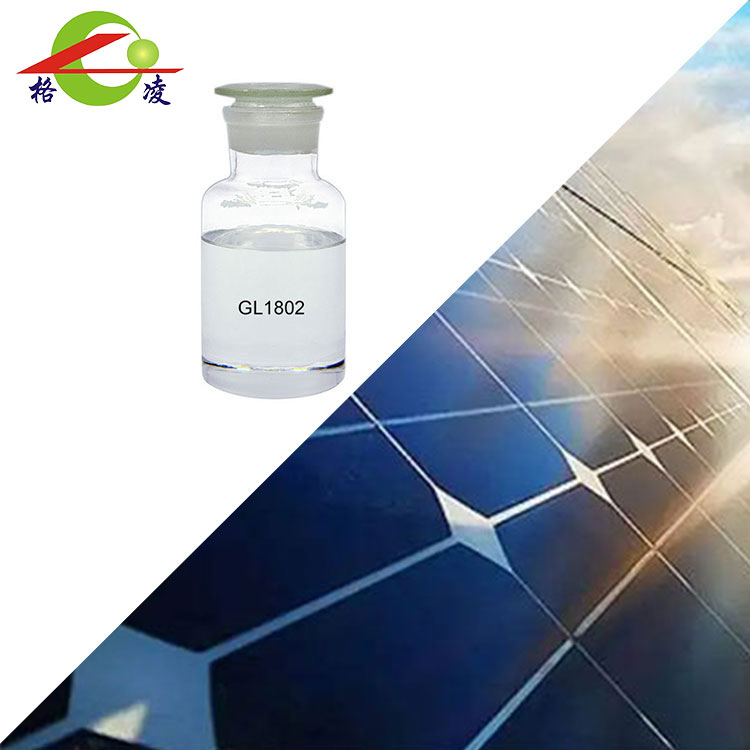 What are the advantages of Mercaptan Based Hardeners?2023/11/13
These hardeners help in the curing of epoxy resins and provide numerous benefits and advantages for industrial applications.